Most world stages are not set in the Caribbean.
The panels happen in Geneva. The summits happen in Paris. The reports get written in rooms that look nothing like ours. And then, somewhere in the fine print, somebody mentions that islands like ours are the ones most at risk.
This week, that changes.
More than 200 of the world’s leading climate scientists are landing in Nassau for the largest gathering of climate researchers ever held in the Caribbean. They are not here as tourists. They are here to help draft the IPCC Seventh Assessment Report – the most comprehensive climate science document ever produced, due in 2028 and expected to shape global policy for the decade that follows.
The document that influences how the world responds to climate change is being written, in part, right here.
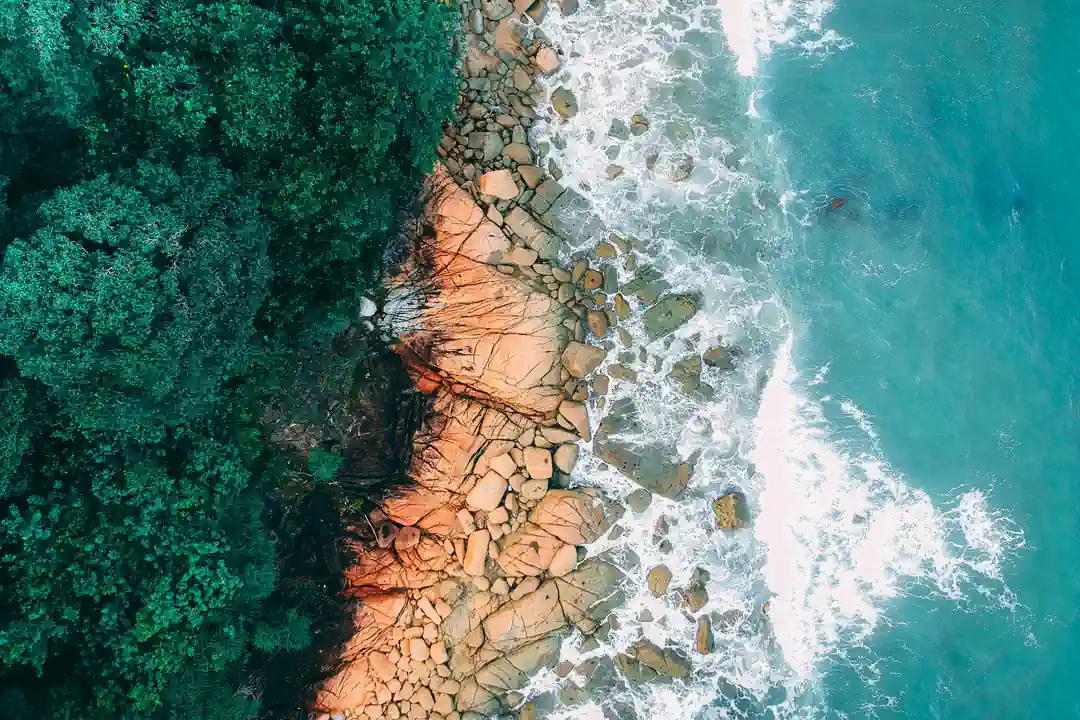
That matters because The Bahamas is one of the top ten most climate vulnerable nations on the planet. Rising sea levels, stronger hurricanes, coral reef loss, coastal erosion these are not abstract concerns. They are already reshaping coastlines, fishing communities, and Family Island life in ways that rarely make international headlines.
For too long, frontline nations like ours were subjects of climate research. Studied. Referenced. In the data but rarely in the room.
This week, Nassau is the room.
For a generation of young Bahamians who will live with the consequences longer than anyone else, that is worth paying attention to.