Cultural tourism is a growing trend for curious travelers interested in authentic Bahamian experiences through food, entertainment, visual art, and historic tours. For those who enjoy storytelling and the preservation of spaces that showcase the craftsmanship of island architecture and local identity, Balcony House is worth exploring.
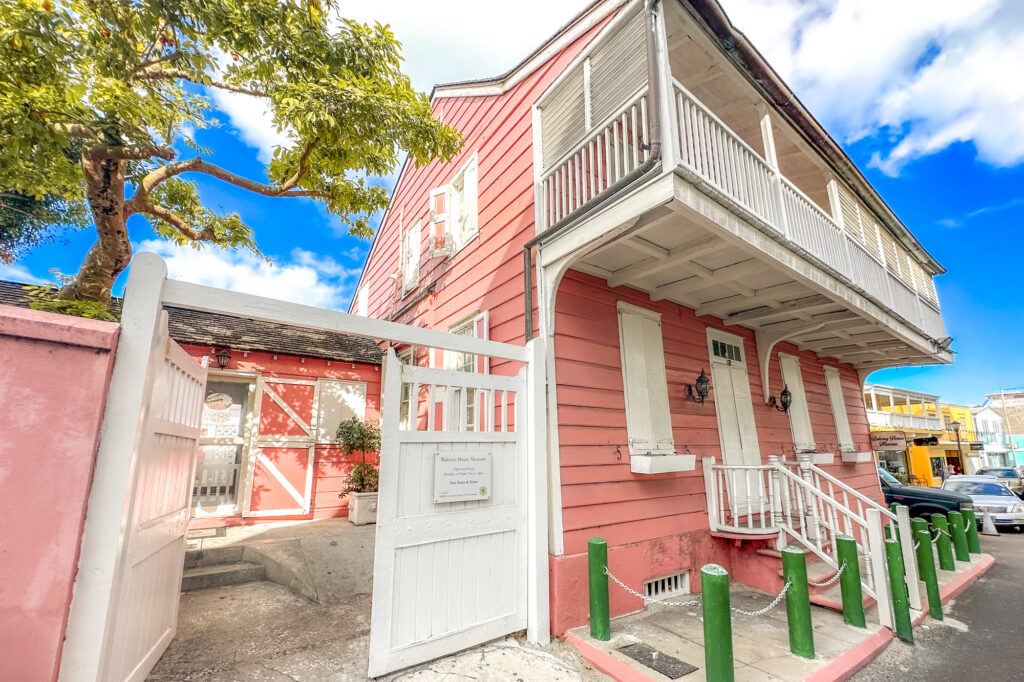
Easily accessible to the wandering day visitor, Balcony House is a combination of historic landmark, cultural experience venue, and garden café. As part of the Central Bank of The Bahamas’ wider cultural portfolio, Balcony House connects visitors to Bahamian history through architecture, educational outreach, preservation, and a strong sense of place.
Located on the corner of Trinity and Market Streets, the historic Nassau property has been preserved by the Bank, recently renovated, and reopened to the public as a museum. Believed to have been constructed around the Loyalist period of 1775–1783, Balcony House is one of Nassau’s important historic structures. By 1788, the property appeared on a plan of Nassau as lots 14 and 15 and was owned by Mrs. Mary Hardy, who lived there with her husband, Dr. William Hardy, and their three daughters. Over the following decades, the house passed through several hands, eventually becoming closely associated with Stephen Dillet, a Haitian-born Bahamian who purchased the property in 1841.
Dillet is central to the house’s historical importance. In 1833, he became the first coloured person in Bahamian history to win election as the representative for the Town of Nassau, going on to win seven consecutive elections. He later served as Post Master General, Inspector of the Police Force, Coroner of The Bahamas, a vestryman at Christ Church Cathedral, a leader in freemasonry, a community leader, and a successful businessman. Dillet died at Balcony House in 1880, leaving the property to his wife, Charlotte, and daughter, Charlotte Augusta.
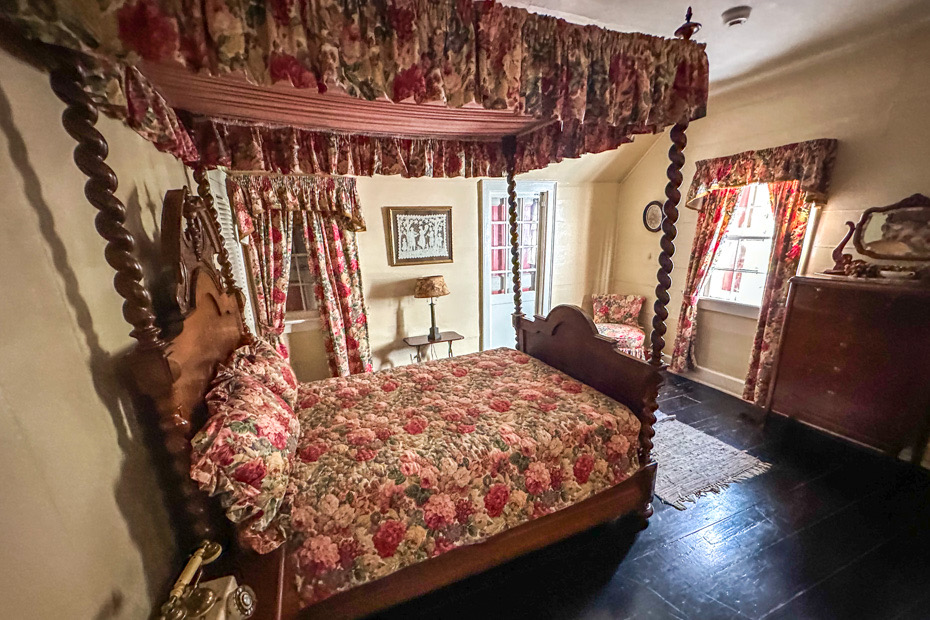
After remaining connected to the Dillet family into the early 20th century, the property changed ownership several times. In 1947, it was leased to Lord Beaverbrook and later sold to Mrs. Marie Josephine Bryce, a wealthy American heiress to the A&P food-store chain, who hired a New York design firm to redesign the interior. By the mid-1970s, Bryce had stopped visiting The Bahamas, and the house was left in the care of her maid, Mrs. Rosalie Armbrister.
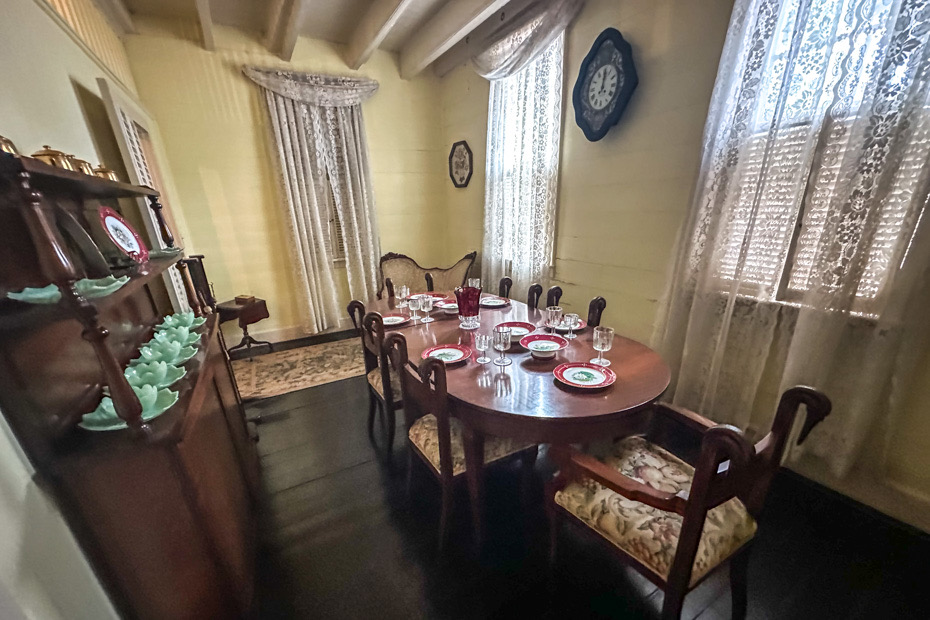
The Central Bank of The Bahamas acquired Balcony House in 1985, adding preservation to its wider cultural role. Restoration began in 1992 through the Ministry of Public Works, with costs fully underwritten by the Bank. In 1994, the Central Bank partnered with the Department of National Archives to open the property as The Balcony House Museum.
The Balcony House Museum is open to the public Monday through Friday, free of charge.
Explore Balcony House through the Central Bank art site:
https://www.artcentralbankbahamas.com/balcony-house