
“Bahamian time” gets misunderstood. It’s often used as shorthand for lateness, a known joke when meetings start behind schedule or plans shift without explanation. From the outside, it’s framed as inefficiency. A lack of discipline. A cultural habit in need of correction. But that reading flattens something far more complex.
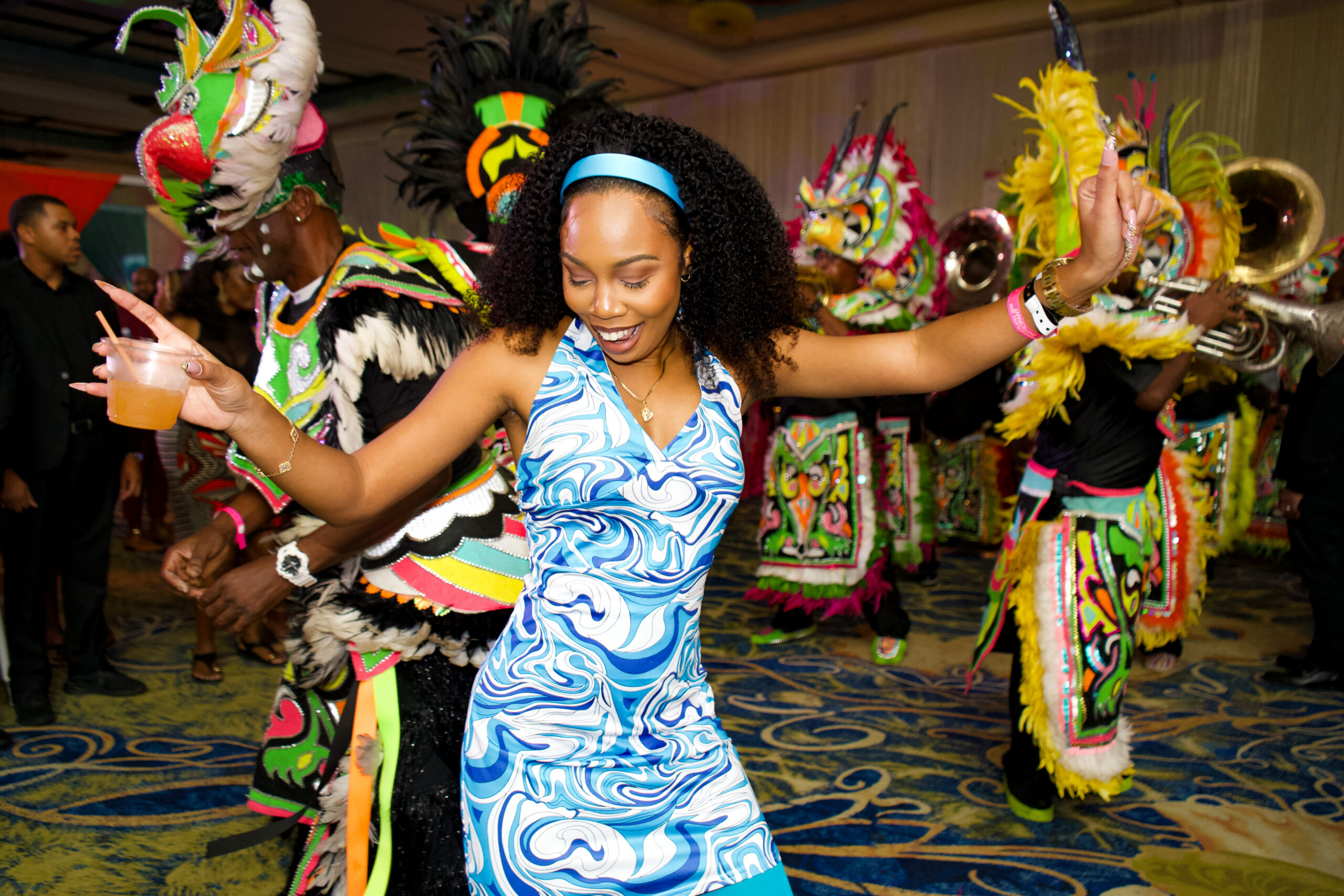
In The Bahamas, time doesn’t just move, it listens. Bahamian time is shaped by heat that slows the body, by oceans that recalibrate urgency, and by communities where relationships matter as much as results. Life unfolds in layers here. Conversations stretch because they mean something. Mornings begin gently. Afternoons bend around weather, people, and mood. Nothing is rushed without reason.
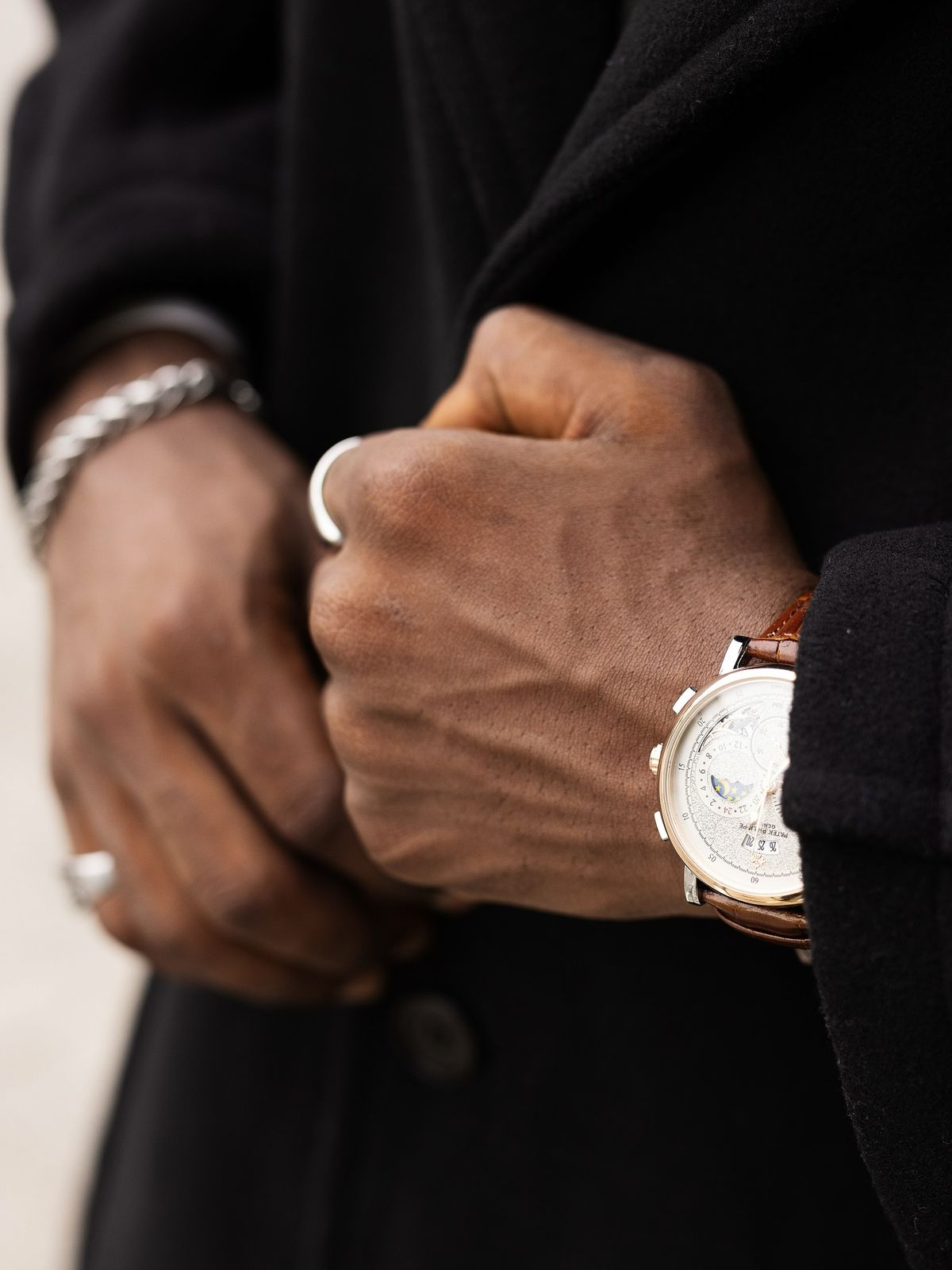
Yes, things can start later than planned. But people arrive with intention. Bahamian time isn’t about avoiding responsibility; it’s about refusing to treat speed as a virtue on its own. It prioritizes presence over performance. Connection over constant motion. It understands that being fully there can matter more than being exactly on time.
In a place where everyone knows someone who knows you, time becomes relational. You wait because someone is finishing a story. You pause because a moment deserves respect. You adapt because unpredictability isn’t an inconvenience; it’s part of living here.
Bahamian time also holds balance. Work gets done. Ambition exists. Deadlines matter. But not at the expense of spirit. Not without room for laughter, rest, or breath.
In a world obsessed with speed, where worth is measured in productivity, Bahamian time offers a quiet challenge. A reminder that life isn’t meant to be rushed through, but lived within.
Bahamian time isn’t lateness. It’s intention. It’s rhythm. It’s layered.
And maybe it’s wisdom the rest of the world is still learning.