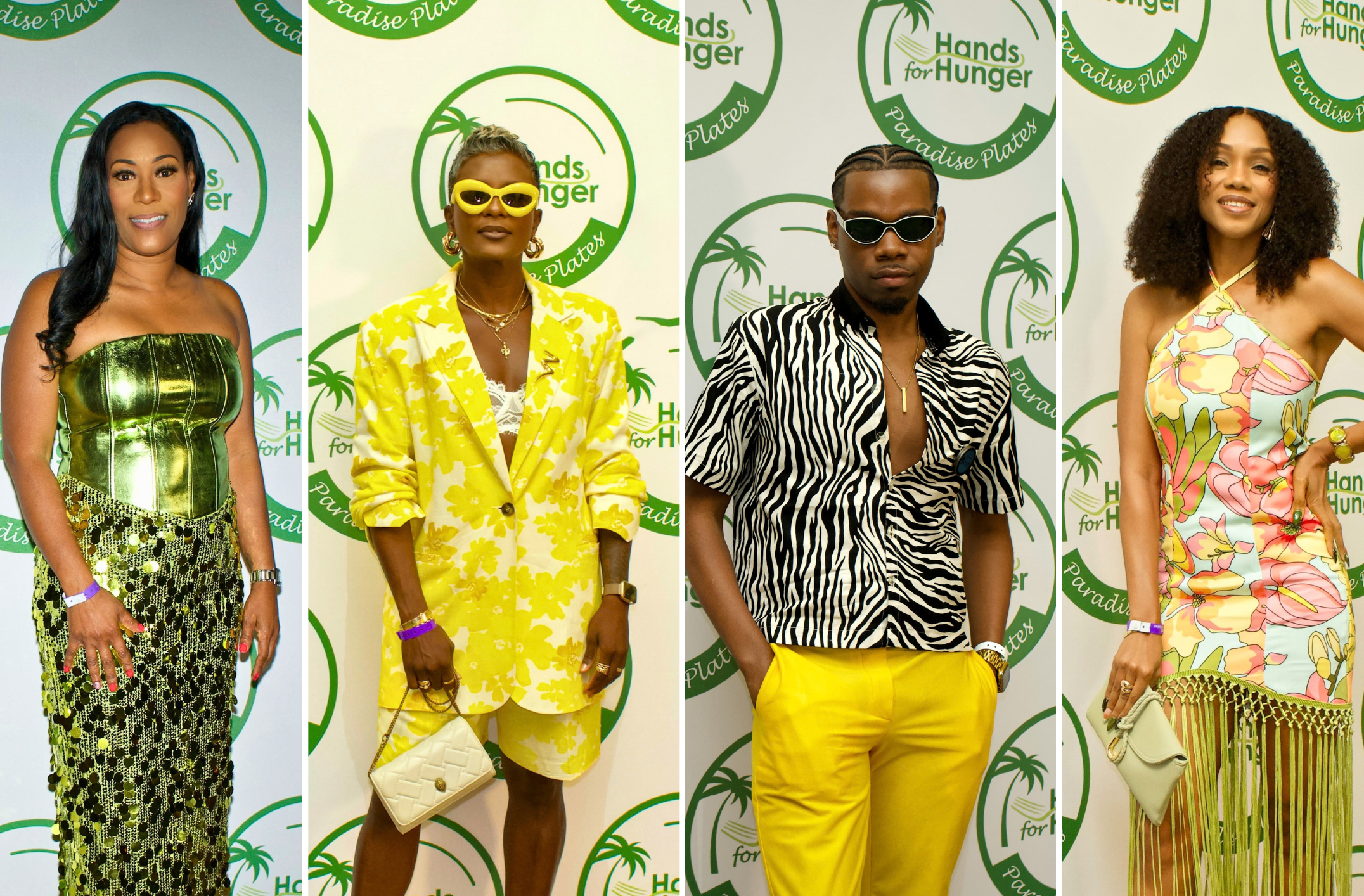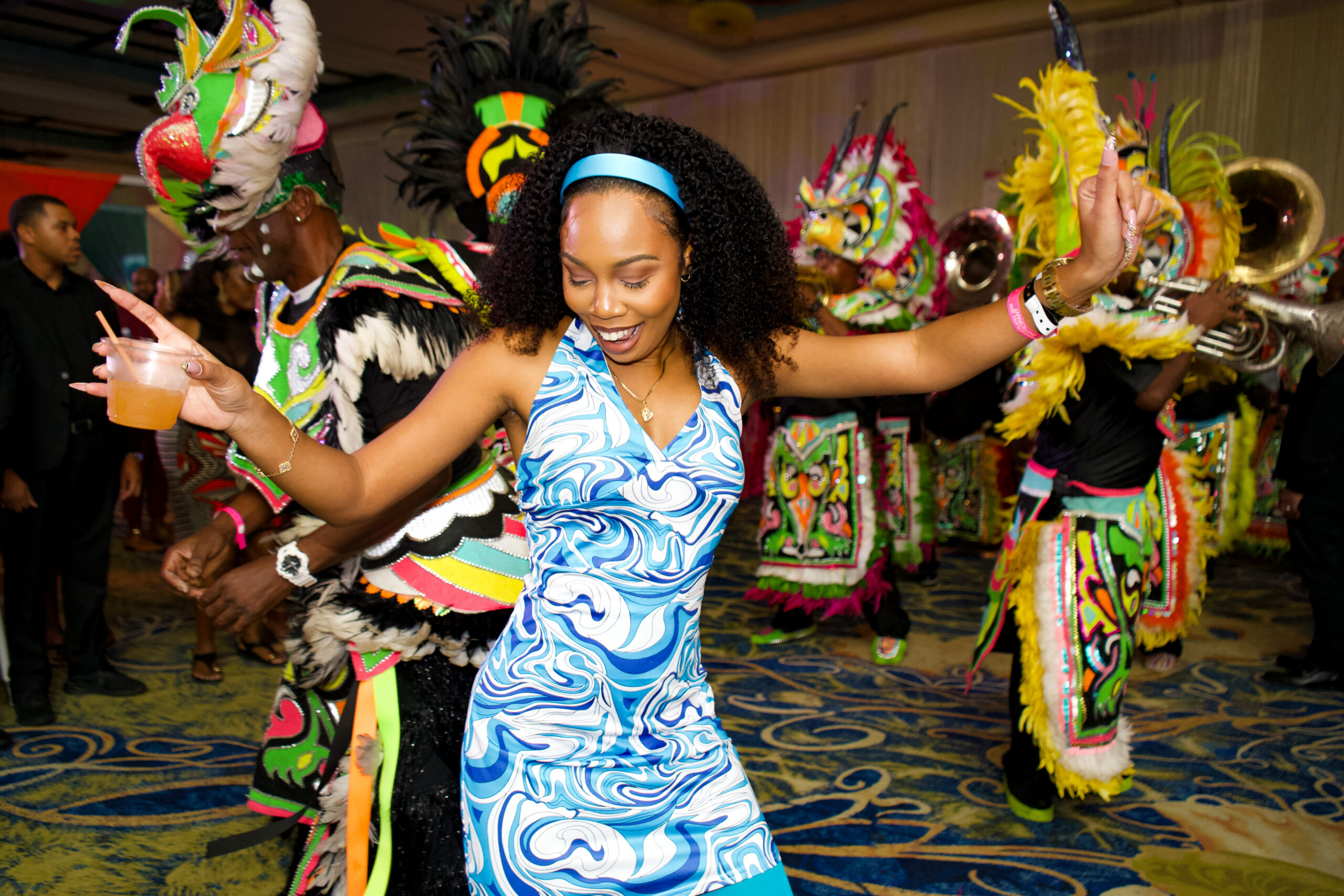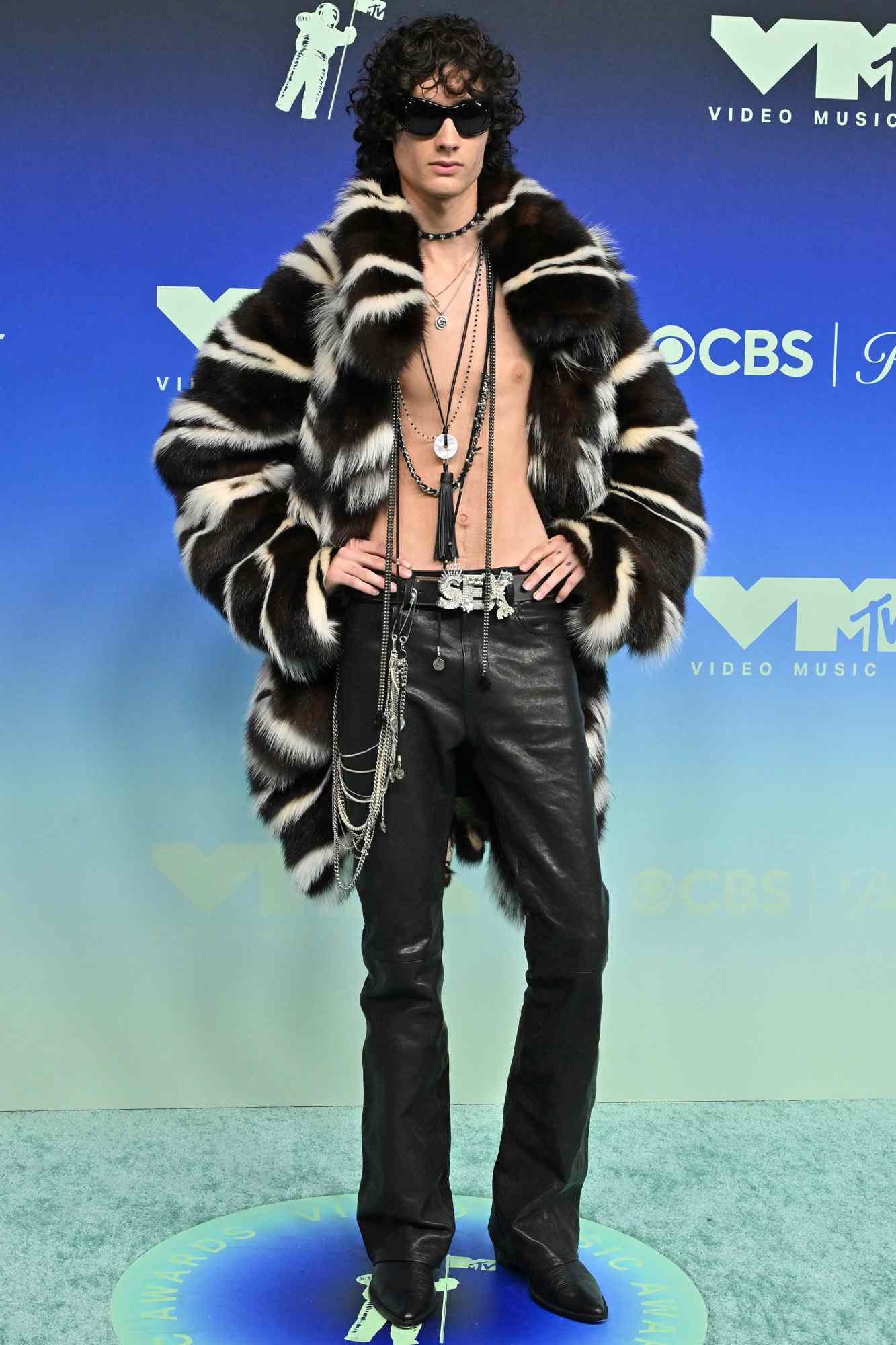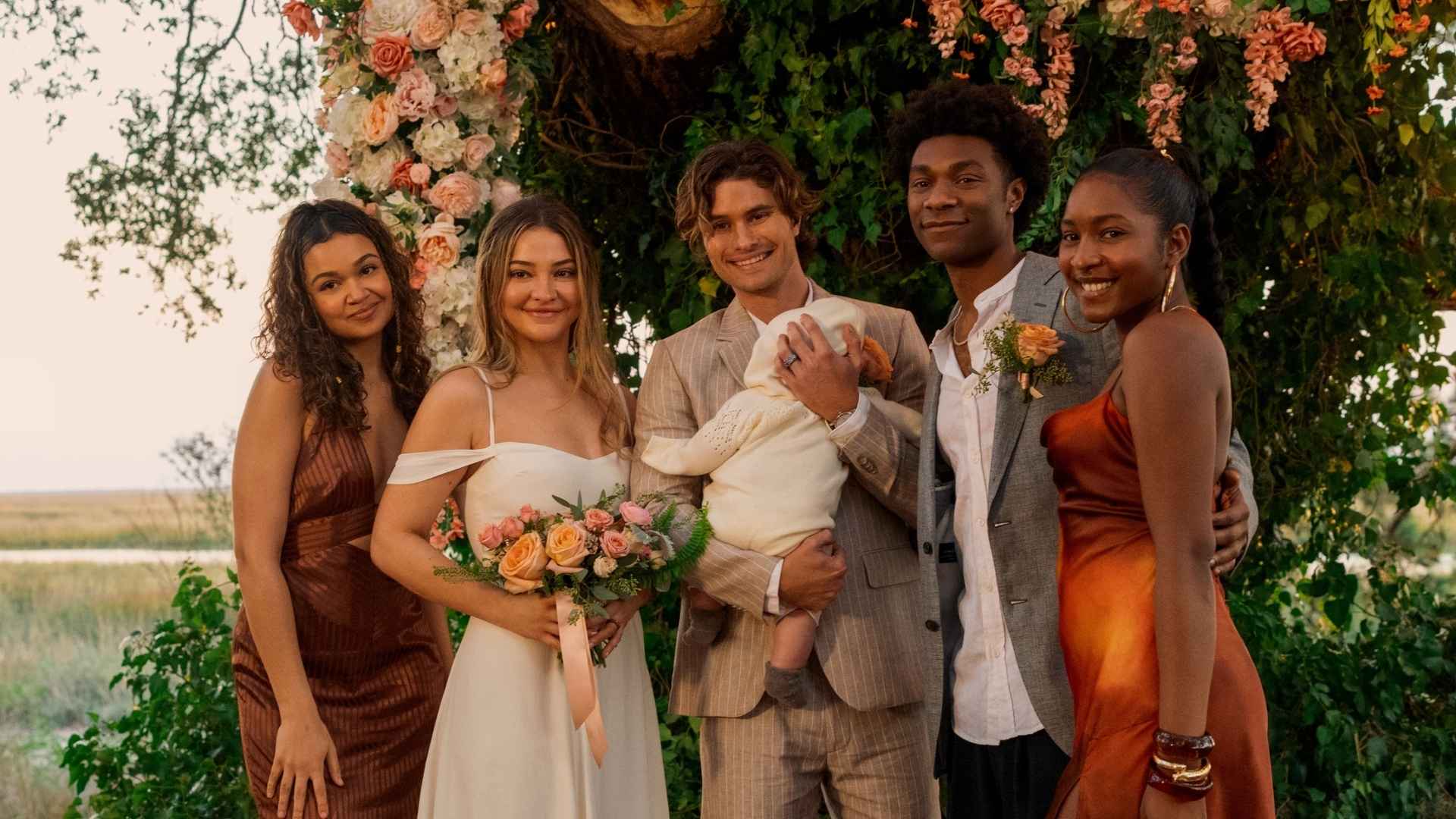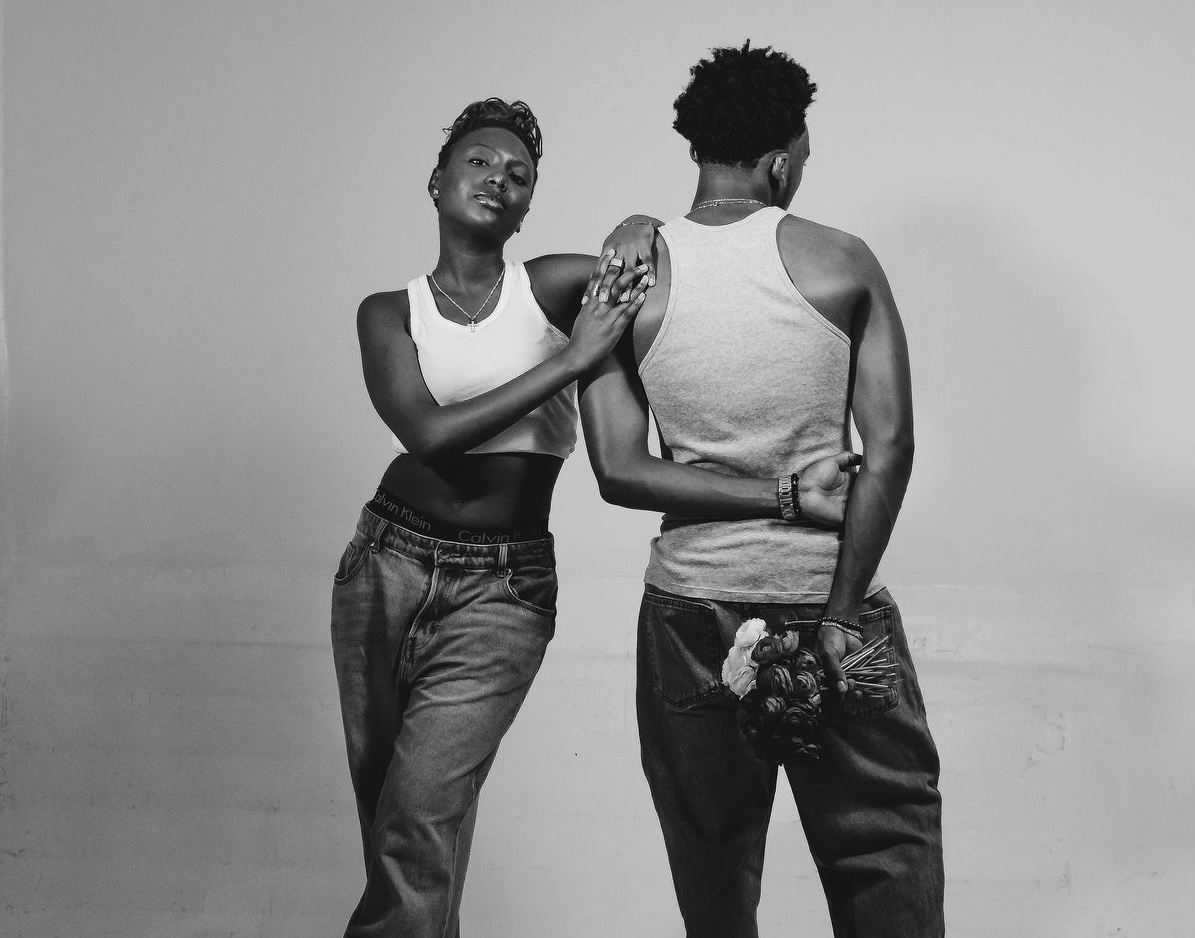
There was never a moment when Bahamians stopped having style. What changed is who started paying attention.
For decades, the conversation about fashion in this part of the world belonged to everyone except the people who actually lived here. Resort wear was designed for visitors. Luxury was imported. And the idea that something genuinely Bahamian could carry weight in a global style conversation was treated like a generous compliment, not a fact.
That era is over.
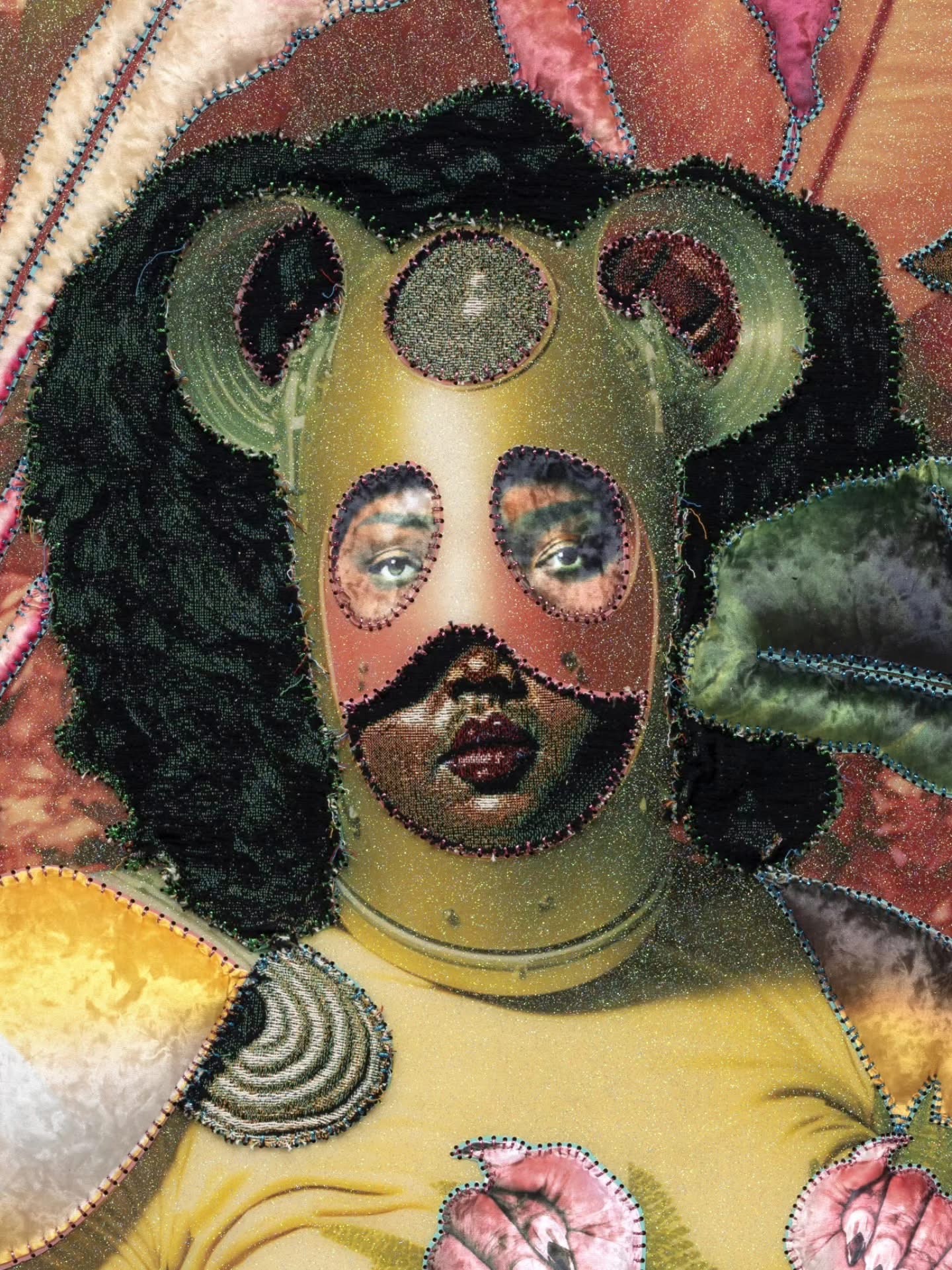
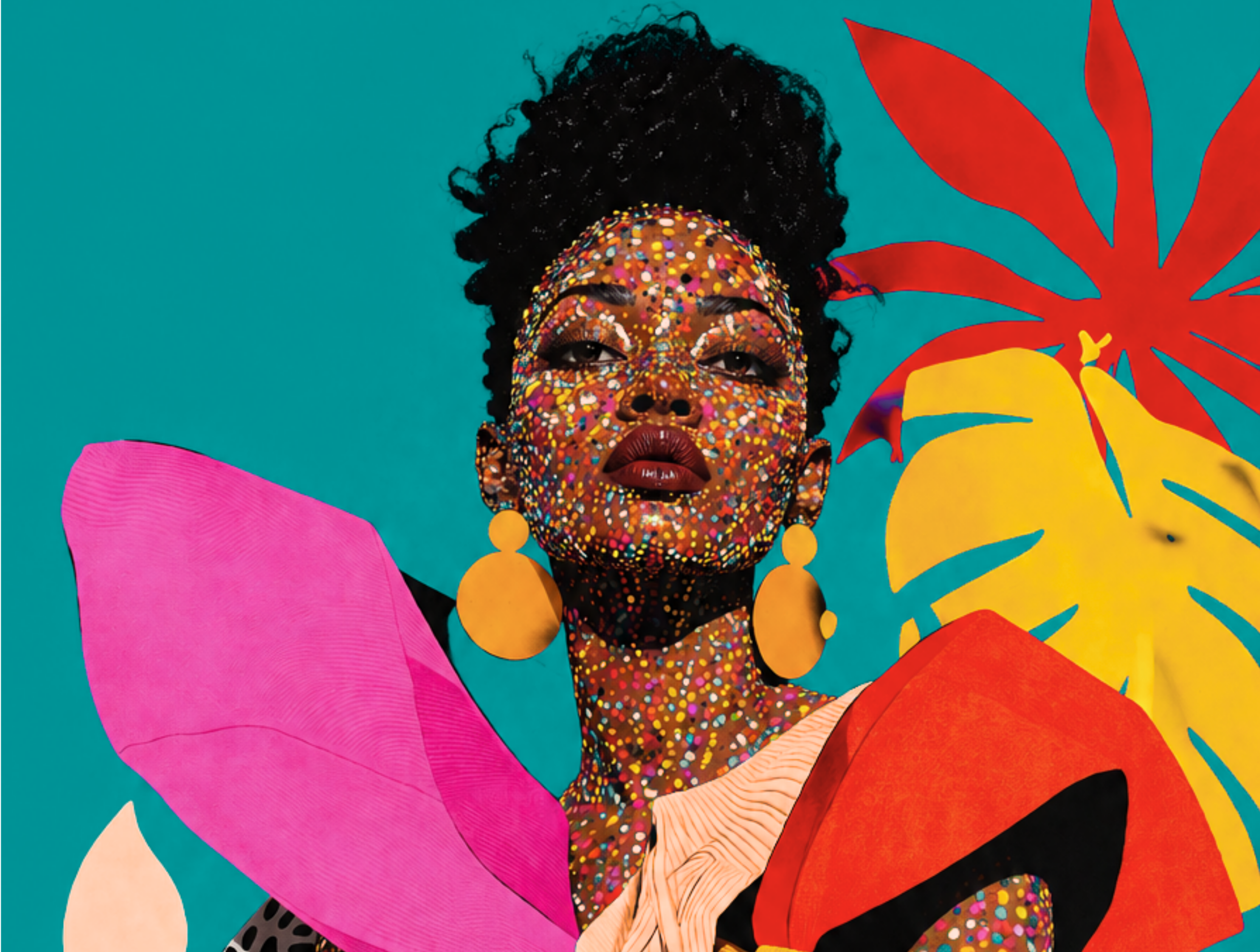
A new wave of designers, artists, and creatives is doing something quieter and more powerful than chasing trends. They are building a visual language that is entirely their own. Brands like Bahari Bahamas are not borrowing from island aesthetics, they are defining them. Artists like Gio Swaby are turning the textures and silhouettes of Black womanhood into work that hangs in international institutions. Stanley Burnside spent decades painting the soul of this place before the rest of the world decided Bahamian identity was worth framing.
The through line is not nostalgia. It is ownership.
“The Bahamas is still a very new country. It’s only fifty years. We’re still learning who we are. Style wise, I think we’re in our twenties.” — Nathan Hield (Bahamian Designer)
What makes this moment different is intentionality. The designers working right now are not trying to translate Bahamian culture for an outside audience. They are creating for themselves, and the outside audience is following. That is a different kind of power. It does not ask for validation. It simply exists, fully formed, and lets the work speak.
Style has always been one of the most honest things a culture produces. It is what you reach for before you think about it. And what Bahamians are reaching for right now is something rooted, original, and completely unbothered by what the rest of the world thought it should look like.
The islands were always dressed. The world just finally looked.