Every September, thousands of Bahamian students return to school dressed almost exactly alike. Same shirts. Same skirts or trousers. Same shoes. And, depending on the school, increasingly similar expectations for everything from backpacks to hair.
Uniforms have long been defended as tools for equality and discipline. The idea is simple: remove the distractions of fashion, reduce visible differences between students and create an environment where everyone can focus on learning. But there is another side to uniformity worth questioning: at what point does teaching discipline become teaching conformity?
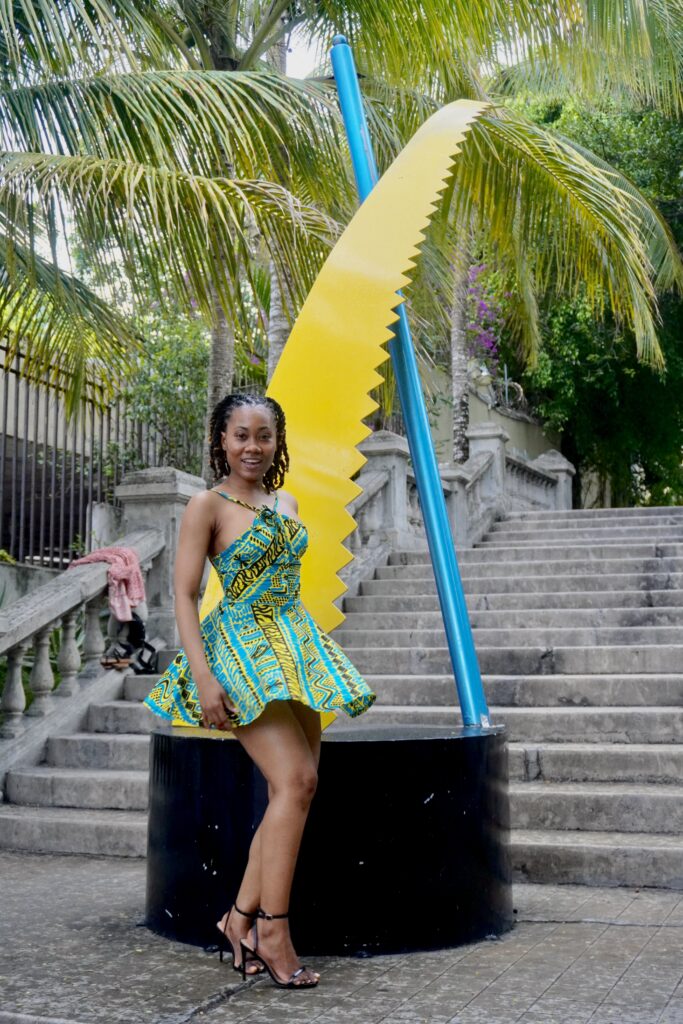
Fashion is one of the earliest ways young people begin communicating who they are. Before most teenagers have complete control over where they live, how they spend their money or what they do with their lives, clothing and hair offer small opportunities to experiment with identity.
Our school systems intentionally limit much of that expression.
The conversation becomes even more complicated when uniformity moves beyond clothing and onto the body. Bahamian public schools continue to require low haircuts for boys while restricting styles such as braids and twists. These standards are often associated with being “neat,” “groomed” and disciplined, but they also raise an uncomfortable question: who decided which versions of Black hair look respectable enough for the classroom?
A braid does not affect a student’s ability to understand mathematics. A twist does not make someone less capable of writing an essay. Longer hair does not determine discipline any more than wearing identical shirts guarantees it.
None of this means schools should operate without standards. Young people need structure, boundaries and environments designed for learning. But structure and individuality do not have to be opposites.
Perhaps the bigger lesson worth teaching is how to exist within a community without disappearing into it.
Schools are meant to prepare students for the world they will eventually enter a world that increasingly celebrates creativity, individuality and original thinking. If that is the future we are preparing them for, maybe self-expression should not always be the first thing students are asked to leave at the gate.