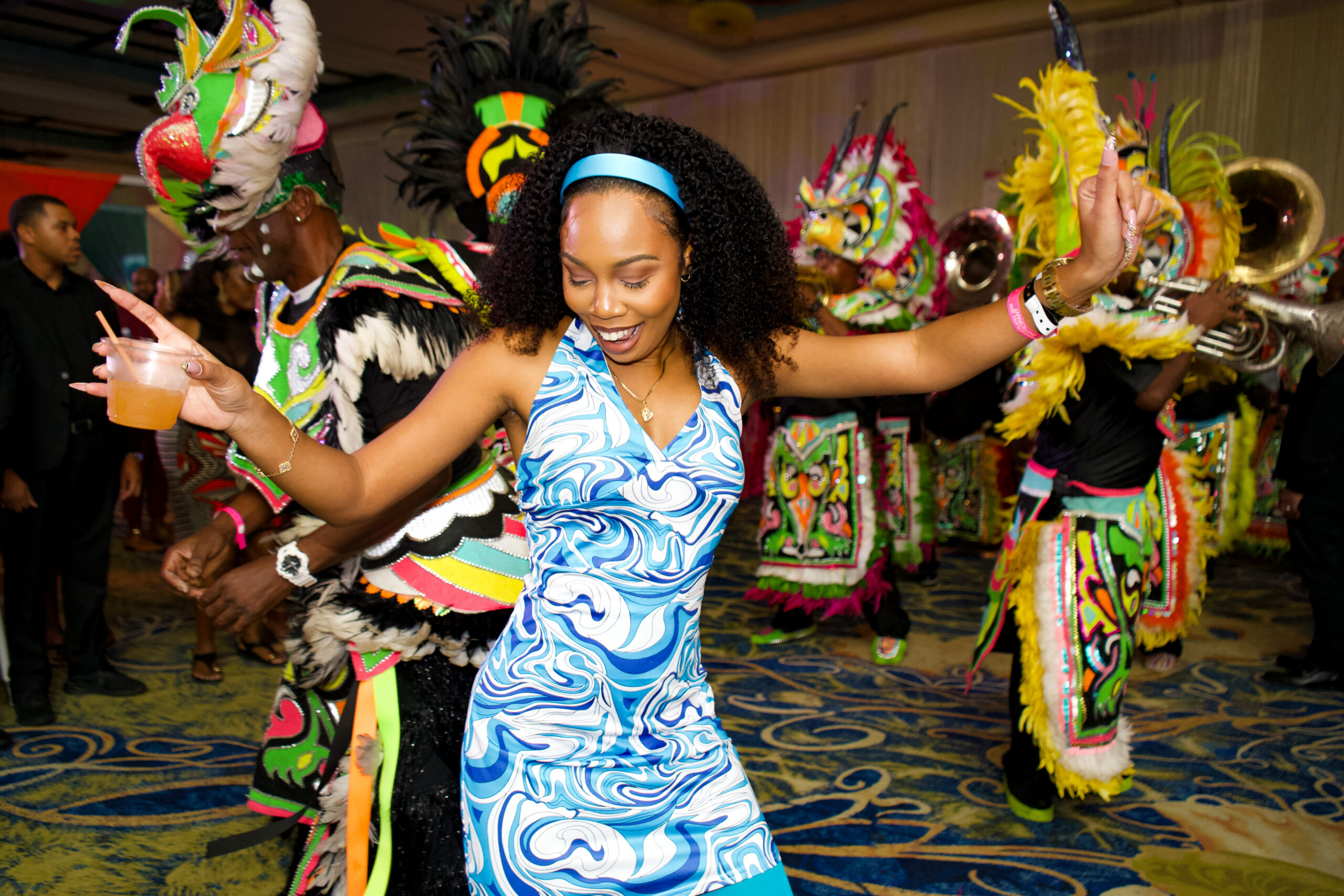

Every June, Cat Island turns into the loudest small place in the country. The Rake and Scrape Festival returns June 4 to 6 over Labour Day weekend, and for three days the saw, the accordion, and the goatskin drum run the island. Quadrille dancers, a gospel concert, the Battle of the Bands, down home food, and a crowd that travels just to be there. It is one of the most authentically Bahamian things we make.
So here’s the uncomfortable part. The world might never hear it.
Billboard just called 2026 a massive year for Caribbean music, saying the world is “salivating for more” of the region’s sound. But read closer and the lineups tell on us. Jamaica is everywhere. Trinidad is everywhere. Dancehall and soca headline Coachella sized stages while rake and scrape rarely leaves the family islands.
That is not a talent problem. Rake and scrape is older than most genres dominating the charts, built from carpenter tools and pure rhythm, the kind of origin story the internet usually loves. The problem is reach. We treat it as heritage to preserve instead of a sound to export. We play it for ourselves, at home, once a year, and call that enough.
But Gen Z moves culture differently now. A fifteen second clip can do what a record label could not. The same algorithm pushing amapiano and afrobeats worldwide does not know rake and scrape exists yet, mostly because we have not handed it over.
Maybe that changes. Maybe a Cat Island band goes viral this weekend and the world finally catches the rhythm we have kept to ourselves for generations.
The festival has the talent. The moment is clearly here.
The only question left is whether we are ready to share.