For a long time, Bahamian style existed in conversation with everything else.
Global trends. Imported aesthetics. Outside validation. The expression was always there. It just moved through a filter.
That filter is coming off.
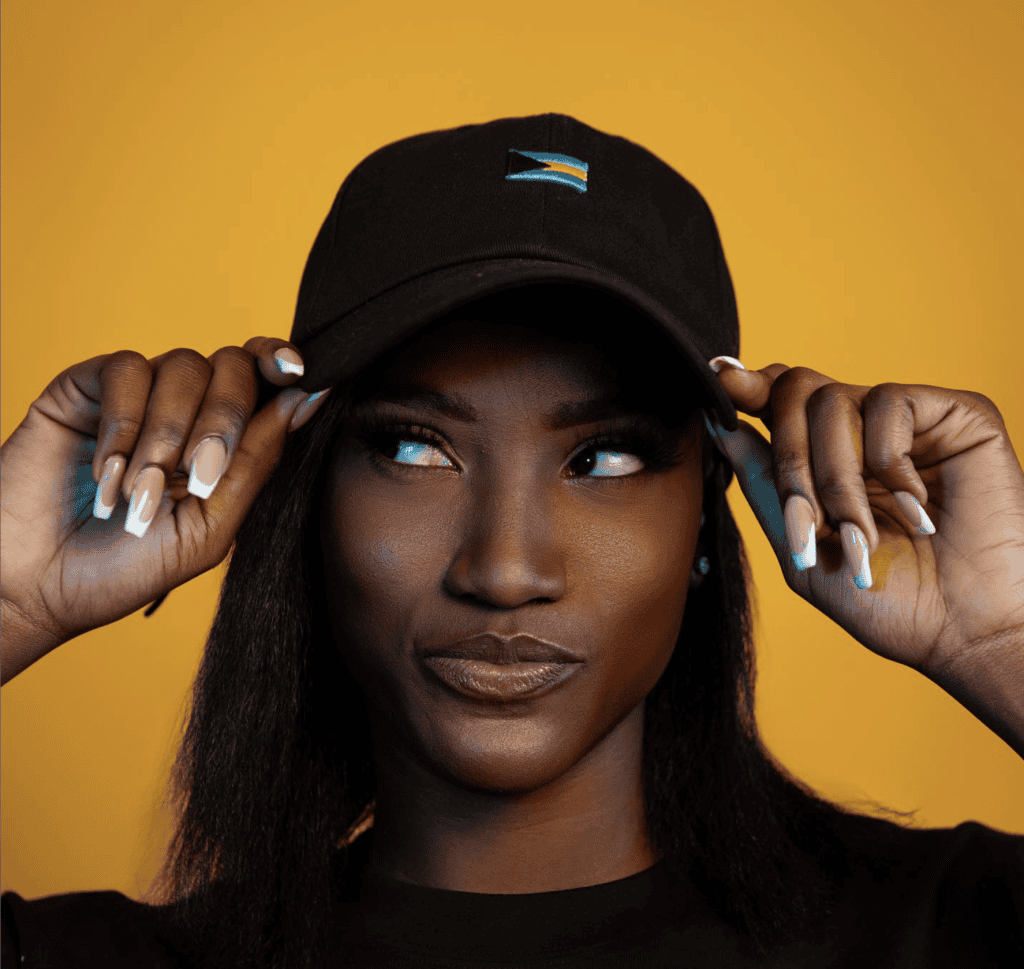
There’s a new confidence shaping how Bahamian identity shows up across fashion, art, and content. Not louder. Not more aggressive. Just more certain. Style isn’t being borrowed anymore. It’s being authored.
You see it in brands like Bahari Bahamas, which didn’t build a clothing line. It built a visual argument. Flamingos, postage stamps, cultural symbols turned into wearable statements. Heritage folded into modern silhouettes. The brand has positioned itself as a leading force in Bahamian fashion precisely because it understands what most labels miss: that identity, when treated with intention, becomes aesthetic.
The same energy is moving through art.
Gio Swaby is redefining how Bahamian identity travels internationally, using textile work as what she’s described as a love letter to Black womanhood. Her pieces now live in major global collections. Stanley Burnside, a pioneer whose influence predates the current conversation, has long drawn from Junkanoo and local culture to shape a visual language that is distinctly, unapologetically Bahamian. These aren’t artists working in reference to somewhere else. They’re working from somewhere real.
Content is catching up.
Creators are leaning into environments that don’t require explanation. Streets that feel familiar. Textures with history. Voices that carry context without commentary. The visuals are less imported, more inhabited. Less performance, more presence.
None of this is happening loudly.
But it is happening deliberately. Because defining taste was never about cutting off global influence. It’s about understanding what to absorb, what to reinterpret, and what to build entirely on your own terms.
Bahamian style is no longer forming.
It has arrived. And it knows exactly what it looks like.