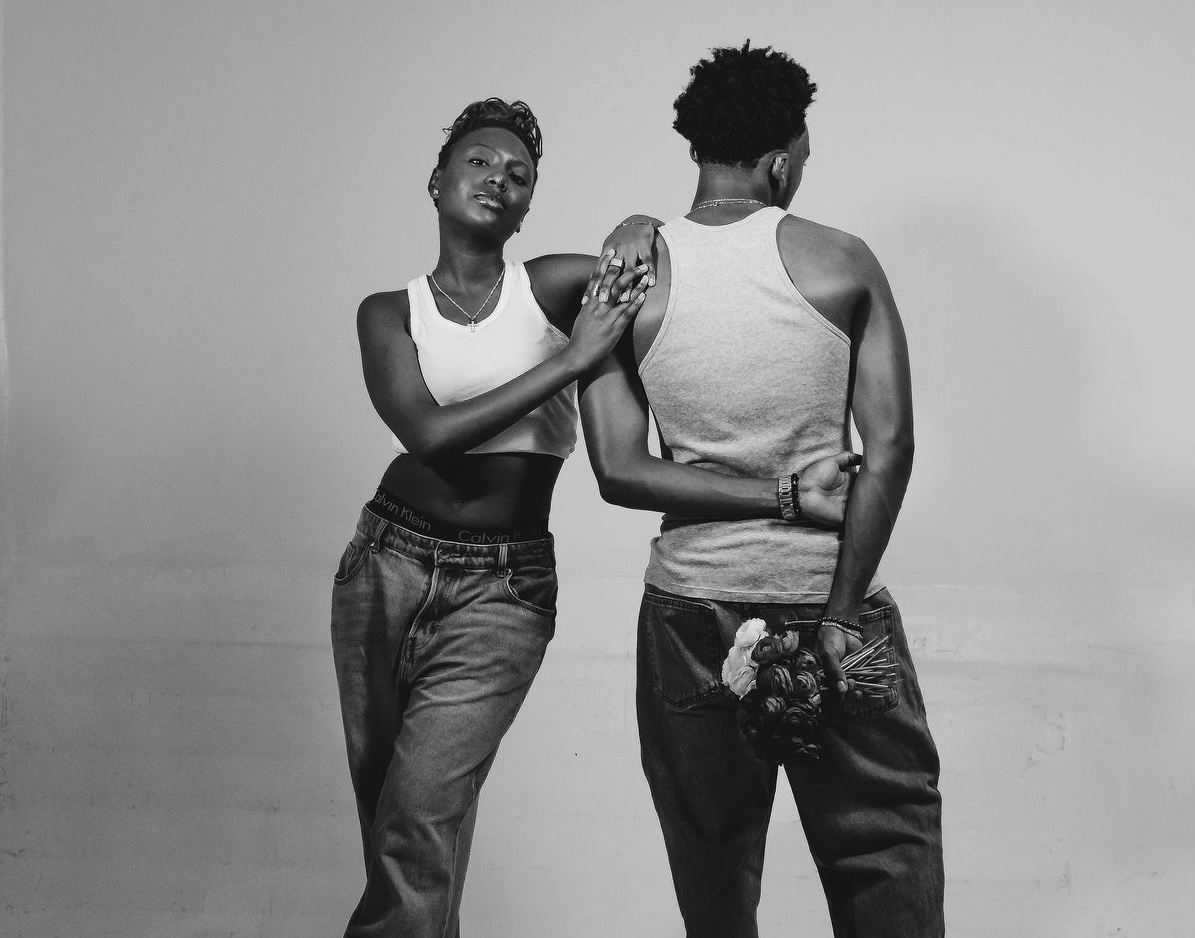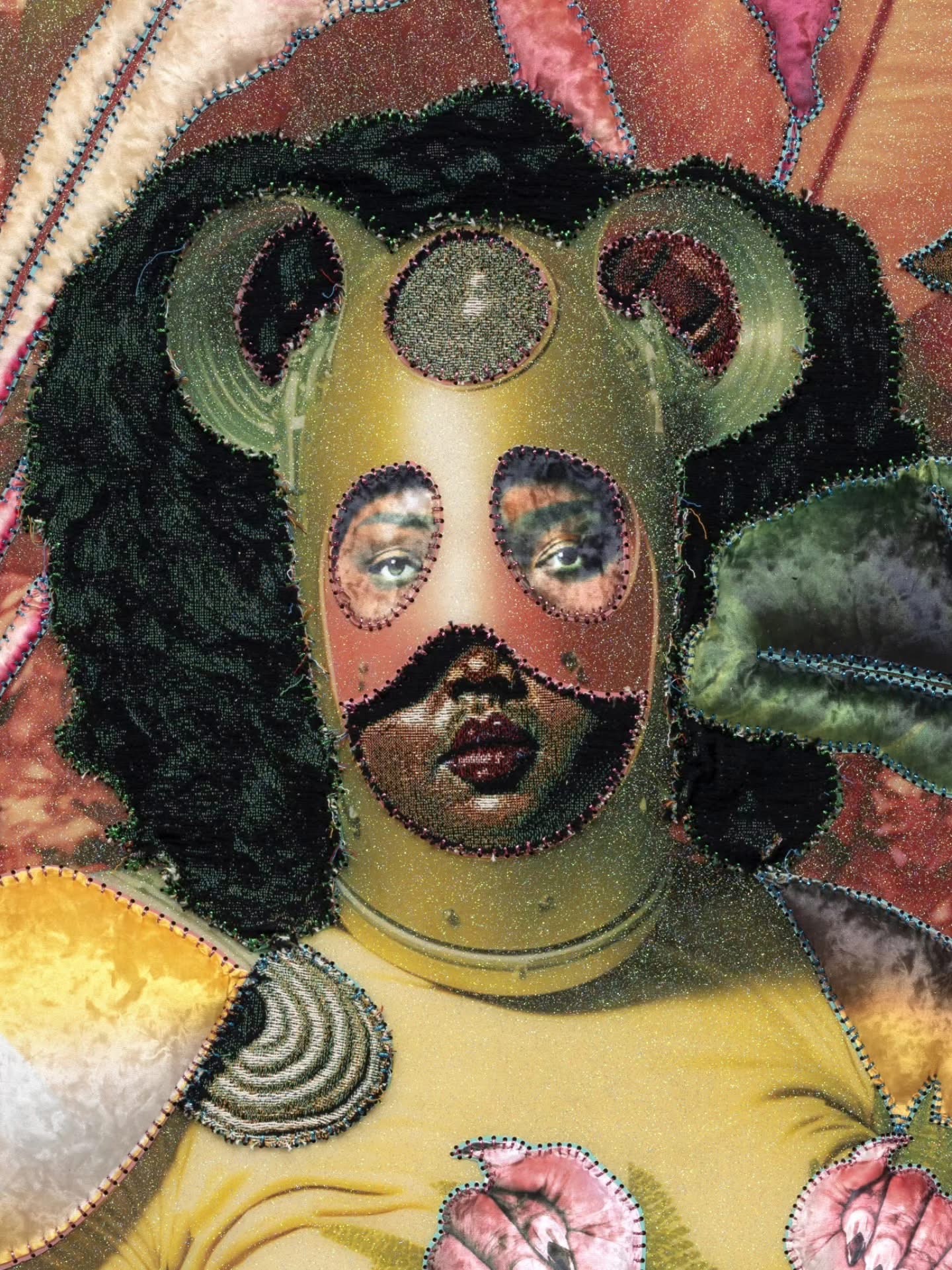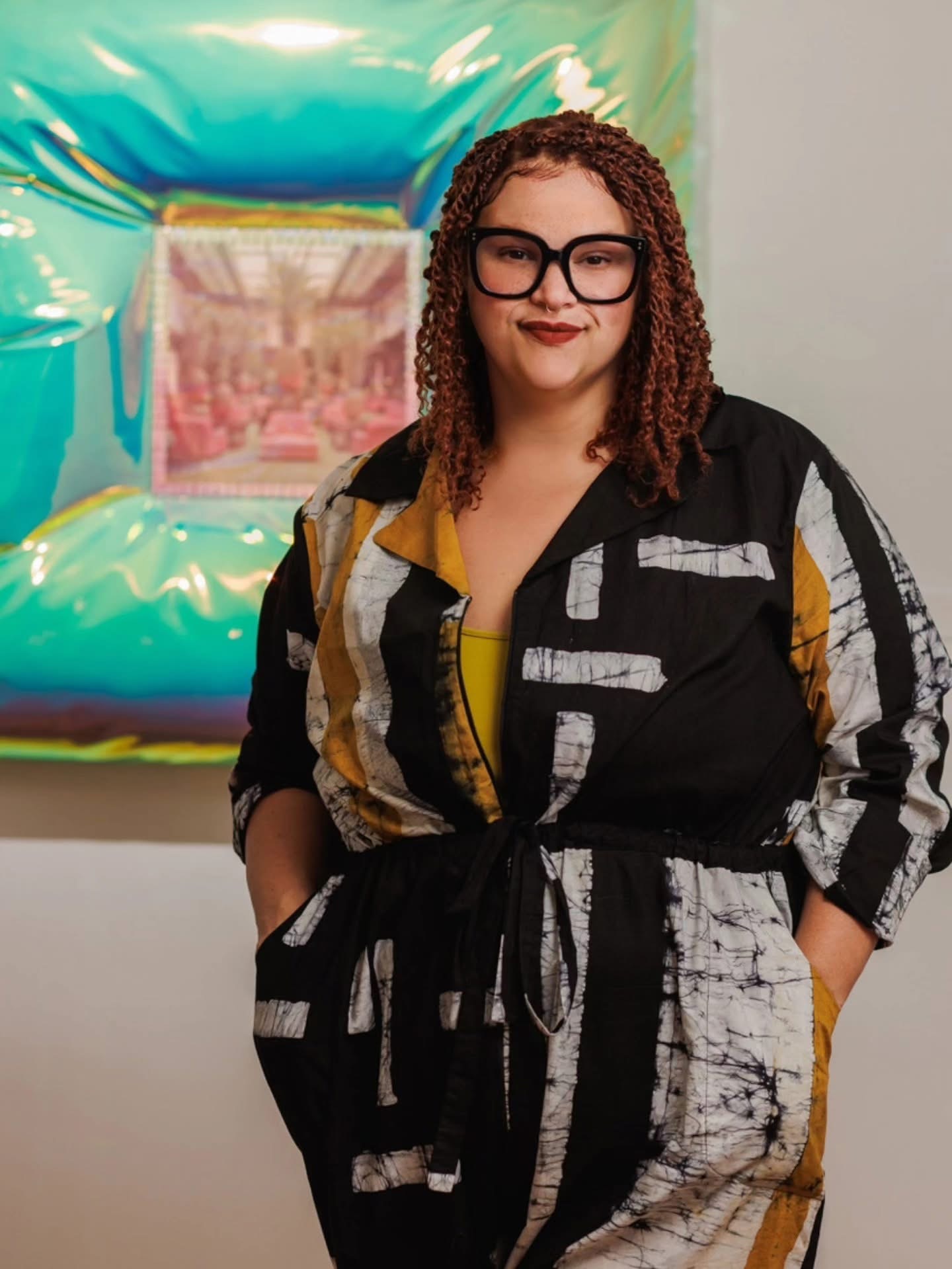
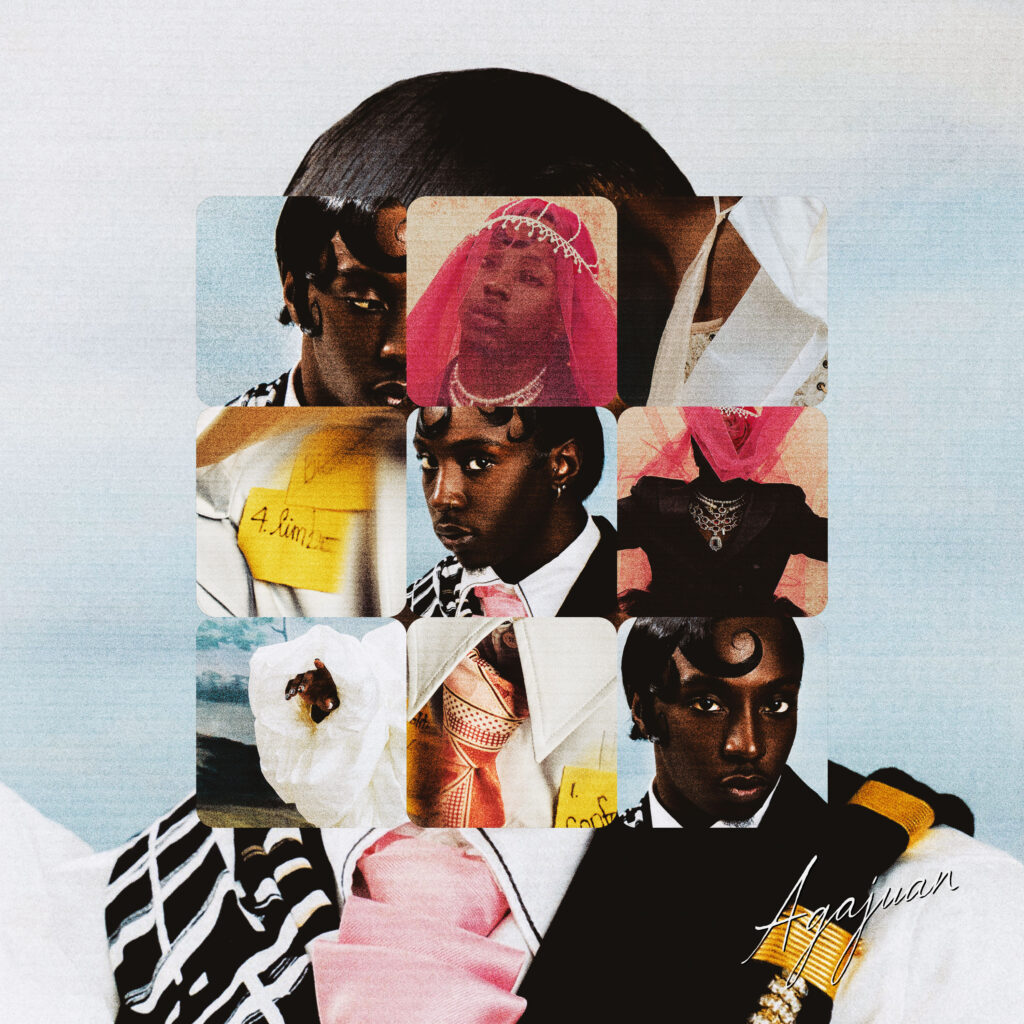
Village Van Gogh is Agajuan at his most vulnerable, intentional, and unfiltered. The album was made to be heard and to heal. Inspired by his own reckoning with identity and by the stories of people who’ve felt small or unseen, the project turns personal testimony into shared language.
“This album became a tool; a place to release shame, reclaim myself, and honor the parts of me I used to hide,” he says.

That spirit shapes every layer of the album. On “Bishop” the studio became a sanctuary and a battleground as he questioned faith, expectation, and the systems that shaped him. With “Naughty Johnny” he channels liberation, speaking directly to his younger self, giving him the freedom he never had. “The Village” the project’s emotional center, is a mirror, challenging cycles while still extending love to the community that raised him.
Musically, the album pulls from Solange’s world-building, Frank Ocean’s introspection, Tyler, The Creator’s boldness, and the soul of Erykah Badu and André 3000, all rooted in Bahamian spirit. Local stories, and cultural memory give the project its heartbeat.
But beyond genre or influence, Village Van Gogh is about belonging and becoming. It’s a homecoming for those who’ve ever felt like misfits, minorities, or quiet souls in loud worlds. Agajuan hopes listeners leave with something deeper than admiration, he hopes they feel permission.
“If this album gives even one person the courage to step into their own light, then I’ve done what I came to do.”