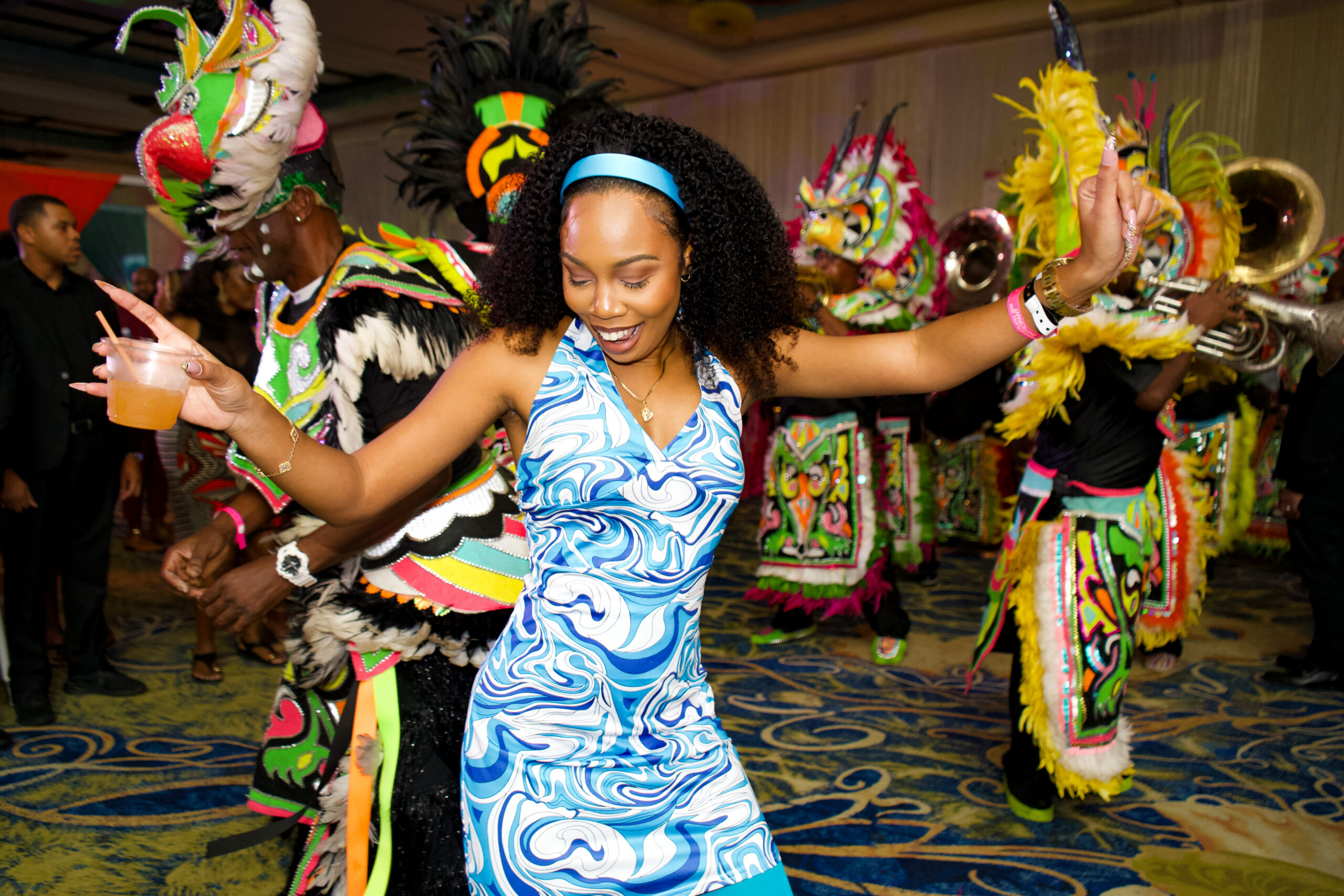
This March, as National Cultural Heritage Month unfolds, Rake-N-Scrape is no longer just a sound echoing through festivals and family gatherings; it is becoming part of a new, intentional narrative for the next generation.
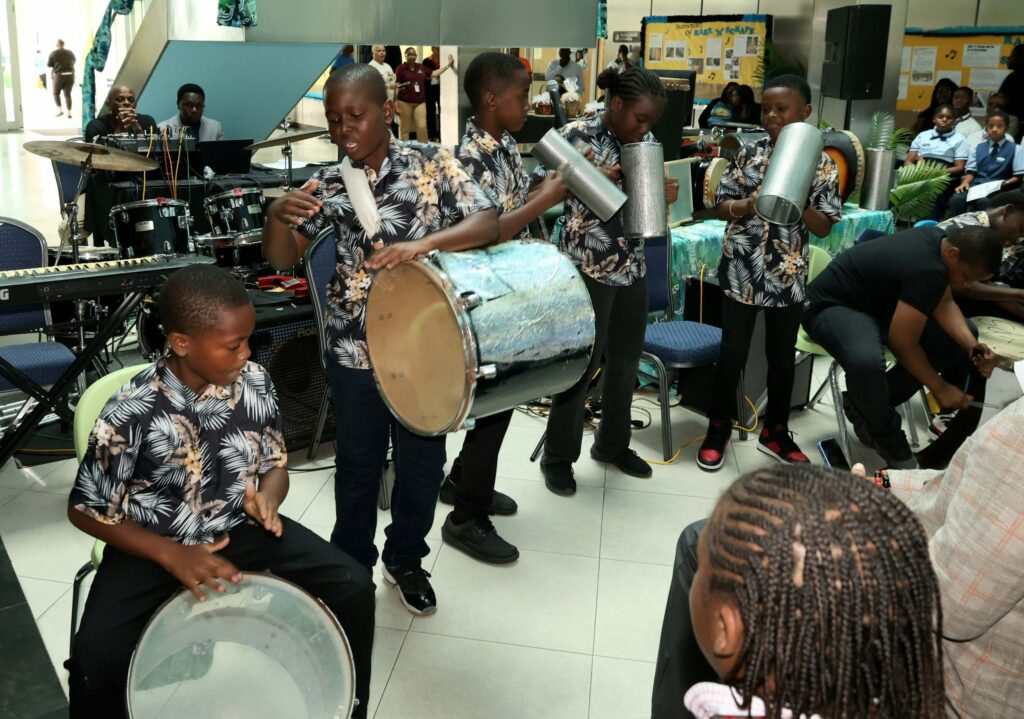
Launched in primary schools across Grand Bahama, the initiative feels less like a program and more like a cultural reset. Inside the C.A. Smith Building, the energy was unmistakable young students didn’t just learn about Rake-N-Scrape, they performed it, reimagined it, and, most importantly, claimed it as their own. There is something powerful about watching children compose the same rhythms that once carried the stories, resistance, and joy of their ancestors.
Rooted in the resilience of enslaved Africans, Rake-N-Scrape has always been more than music. It is memory. It is identity. And now, it is education.
What makes this moment striking is its clarity of purpose: preserving culture is no longer passive. It is being taught, practiced, and passed on with intention. By introducing these sounds early, the narrative shifts from culture as something we celebrate occasionally, to something we live daily.
Because when young Bahamians understand the rhythm, they begin to understand themselves.